
What is an ECG?
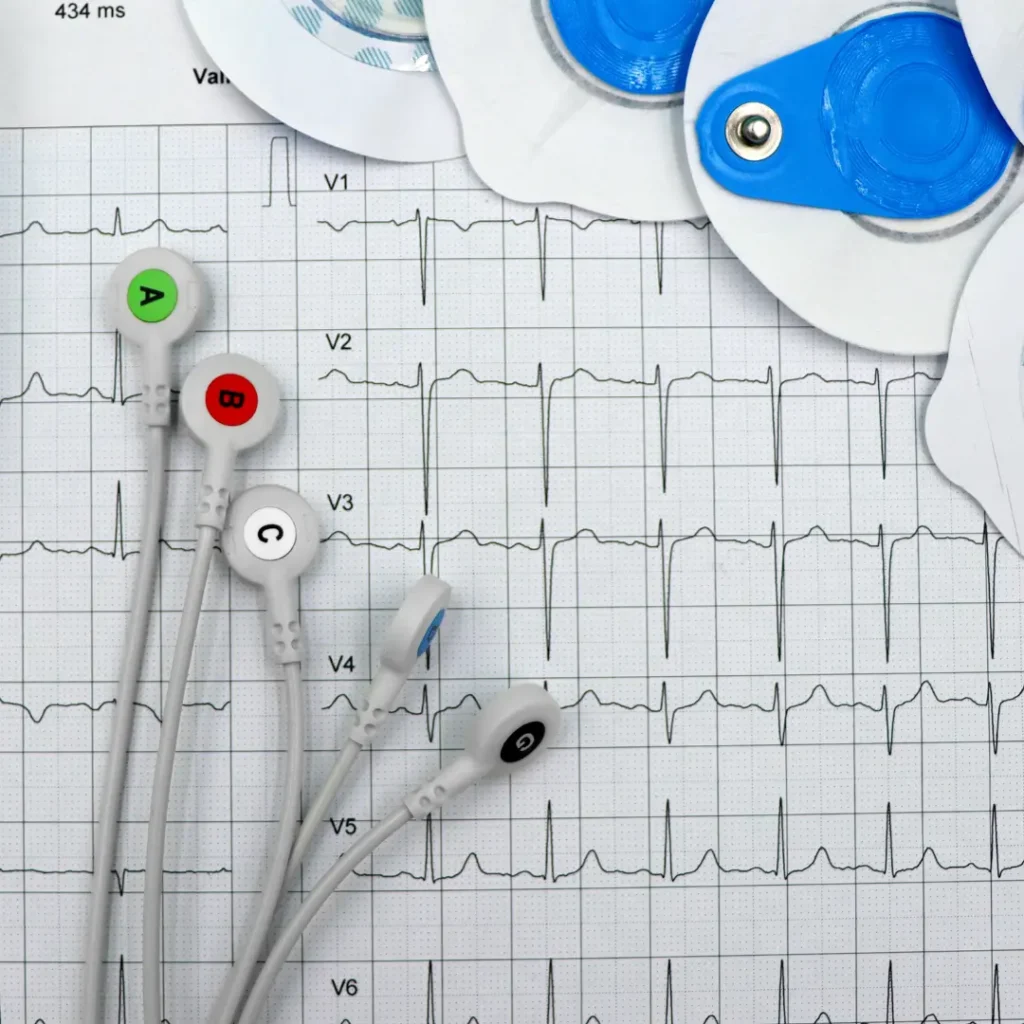
An Electrocardiogram (ECG) is a test that checks how your heart is working by recording its electrical signals. Your heart beats because of tiny but regular electrical impulses passing through every cell in the heart. An ECG helps doctors see if these impulses are travelling normally though the heart.
How Does an ECG Work?
- Small sticky patches called electrodes are placed on your chest, arms, and legs.
- These electrodes pick up electrical signals from your heart.
- The machine then records these signals as a wave-like pattern on paper or a screen.
- A doctor studies this pattern to see if your heart is healthy or if there are any problems.
Types of ECG Tests
- Resting ECG – Performed while the patient is lying down and relaxed. Once the electrodes are placed, the test is usually completed within 1-2 minutes
- Stress Test – Conducted while the patient exercises on a treadmill or stationary bike to assess heart response to physical stress.
- Holter Monitor – A portable device worn for at least 24 hours and up to a maximum of 2 weeks to record heart activity continuously.
What Does an ECG Show?
- Heart Rate – How fast your heart is beating
- Heart Rhythm – If your heartbeat is steady or irregular
- Timing – How long it takes for electrical impulses to travel through your heart
- Signs of damage or lack of blood supply to the heart
Understanding ECG Waveforms
An ECG produces a graph with waves that represent different parts of your heartbeat:
- P wave – Shows when the upper part of the heart contracts.
- QRS complex – Represents the main pumping action of the heart.
- T wave – Shows the heart getting ready for the next beat.
Doctors look at these waves to detect any issues.
Common Heart Problems Found on an ECG
- Irregular Heartbeats (Arrhythmias) – The heart may beat too fast, too slow, or unevenly (Irregular heartbeats).
- Heart Attack (Myocardial Infarction) – Changes in the ECG can show if you had a heart attack or are at risk.
- Blocked Arteries (Ischemia) – If part of the heart isn’t getting enough blood, the ECG may show warning signs.
- Heart Enlargement (Hypertrophy) – The heart might be working too hard and becoming too big.
- Structural damage to the heart such as a weak heart (heart failure) or an old heart attack leaving a scar behind
Why is an ECG Important?
- Quick and painless – The test takes just a few minutes and doesn’t hurt.
- Early detection – Can catch heart problems before they become serious.
- Helps doctors decide on treatment – Can show if you need medication, a pacemaker, or other treatments.
Limitations of an ECG
- It only shows heart activity at that moment the ECG is taken or being worn – If you have occasional symptoms that come and go, they might not appear on the ECG.
- External factors like movement or poor electrode placement can affect accuracy.
Fun Fact
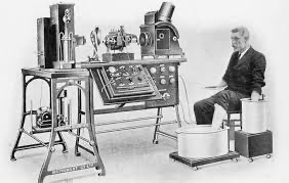
Williem Einthoven invented the first ECG machine in 1895. This machine weighed 270kg, required 5 people to operate it and patients had to soak their hands and feet in buckets of salt water to record the ECG.
Final Thoughts
An ECG is a simple, safe, and effective test to check your heart’s health. If you ever feel chest pain, dizziness, or unusual heartbeats, your doctor might order an ECG to find out what’s going on. It’s a great tool to keep your heart in check! ❤️
So don’t wait – if something feels off with your heart, get it checked right away!