
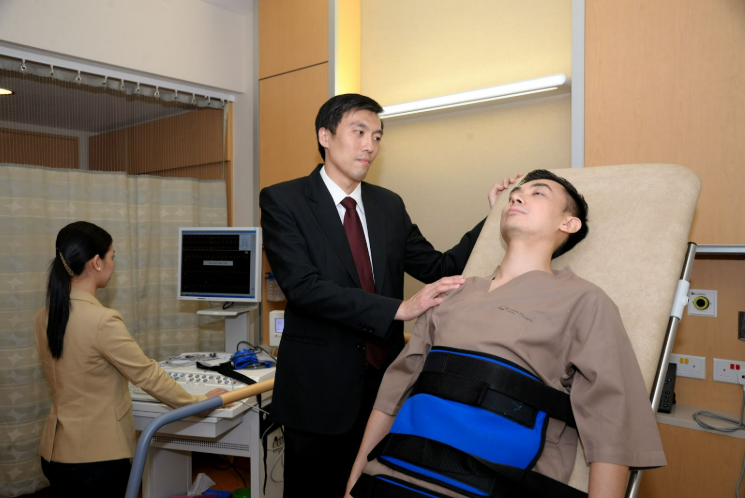
Fainting, or passing out, can happen for many reasons including heart conditions and issues with the nervous system. Doctors may recommend a Tilt Table Test – to check how your body reacts when you move from lying down to standing up.
What is a Tilt Table Test?
Tilt Table Test is a painless procedure that helps doctors find out if fainting is caused by blood pressure changes or irregular heartbeats. It can diagnose conditions like vasovagal syncope (a common cause of fainting due to a sudden drop in blood pressure) and orthostatic hypotension (low blood pressure when standing up).
Why Might You Need a Tilt Table Test?
Doctors may suggest this test if you often:
- Faint for no clear reason
- Feel dizzy or lightheaded when standing up
- Have symptoms that could be related to blood pressure or heart rate problems
This test helps doctors find out whether your fainting is due to heart-related or non-heart-related issues, so they can recommend the right treatment.
How is the Test Done?
- Getting Ready: You will need to fast for at least 6 hours before the test. Doctors will monitor your heart rate and blood pressure using sensors placed on your chest, arm and finger.
- Lying Down: You will be strapped to a special table while lying flat.This is to prevent any fall if symptoms occur. For the first part of the test, the doctor will perform a carotid massage to see if they can induce any symptoms or significant change in vital signs. If everything is stable, they will proceed to the second part of the test.
- Tilting Up: For the second part of the test, the table will slowly tilt to 70 degrees so you will be in a nearly standing position. You will be in this position for at least 20 to 30 minutes. If all vitals are stable and you do not feel any symptoms, doctors will move to the last part of the test.
- Medication Use: For the last part of the test, doctors will use medication also known as GTN spray to increase your heart rate. If blood pressure is still stable and well compensated, the test will be deemed negative. The whole test will usually take 45 minutes to an hour.
Is the Tilt Table Test Safe?
Yes, it is generally safe. Some patients may feel dizzy or even faint briefly during the test, but doctors will be there to ensure patient safety and provide immediate care if necessary.
Take Charge of Your Heart Health
If you or a loved one experiences frequent fainting or dizziness, don’t ignore it! Early diagnosis through a Tilt Table Test can lead to effective treatment and improved quality of life. Schedule an appointment with us today!