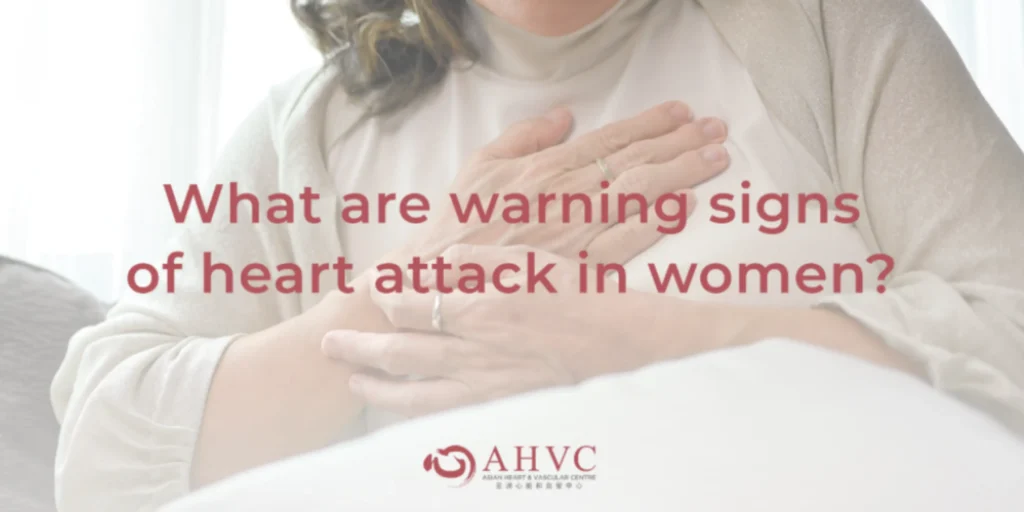
A heart attack (myocardial infarction) occurs when blood flow to part of the heart muscle is blocked, usually by a build-up of plaque in the coronary arteries. While heart disease is often perceived as a “man’s disease,” it is the leading cause of death in women globally. Recognising the early warning signs of a heart attack in women can be the difference between life and death.
This guide outlines the key symptoms, risk factors, and what to do if you or someone you love suspects a cardiac event.
Common Signs of a Heart Attack in Women
Women can experience all the same symptoms as men, but they are significantly more likely to have atypical or “silent” symptoms that do not include classic crushing chest pain. This makes early detection harder, and delays in seeking care more common.
The most widely recognised heart attack symptoms include:
- Chest discomfort or pressure
A feeling of tightness, squeezing, fullness, or pain in the centre of the chest. May come and go over several minutes. - Shortness of breath
Difficulty breathing, even at rest. May occur with or without any chest discomfort. - Pain in jaw, neck, or back
Discomfort radiating to the upper body (jaw, neck, shoulders, or upper back) with no obvious cause. - Unexplained fatigue
Unusual, overwhelming tiredness, sometimes persisting for days before the event, that is not explained by activity or lack of sleep. - Nausea or indigestion
Stomach upset, vomiting, or heartburn-like sensations, commonly mistaken for gastrointestinal issues. - Cold sweats or light-headedness
Breaking out in a cold, clammy sweat, or feeling suddenly dizzy or faint without clear reason.
IMPORTANT: If you experience any combination of these symptoms, particularly if they are new, sudden, or severe, call 995 (Singapore) or seek emergency care immediately. Do not wait to “see if it passes.” |
Do women have different heart attack symptoms?
Yes, and this distinction is clinically significant. Research consistently shows that women are more likely than men to experience heart attacks without the hallmark severe chest pain. Instead, women’s symptoms are often subtler and more varied, which frequently leads to delayed diagnosis.
Physiological differences play a key role here. Women are more likely to experience coronary microvascular disease, where the smaller blood vessels of the heart are affected, rather than a total blockage of a major artery. This produces different, and often less obvious, symptom patterns.
Women who have experienced a heart attack have reported feeling warning signs for days or even weeks beforehand. Unusual fatigue and sleep disturbances are among the most commonly reported early indicators. If something feels consistently “off”, particularly in the context of known cardiovascular risk, it is worth speaking to a cardiologist.
| Studies show that women are less likely to receive timely treatment for heart attacks partly because symptoms are more atypical. Knowing the full spectrum of signs dramatically improves survival outcomes. |
Risk Factors of a Heart Attack in Women
While some risk factors are shared between men and women, several carry greater weight for women or present differently across different life stages.
Common risk factors for heart attack in women include:
- High blood pressure (hypertension)
- High LDL cholesterol
- Type 2 diabetes or insulin resistance
- Smoking or tobacco use
- Obesity and physical inactivity
- Menopause (especially early menopause before age 40)
- Pregnancy complications (preeclampsia, gestational diabetes)
- Autoimmune conditions (lupus, rheumatoid arthritis)
- Mental health conditions (depression, chronic stress)
- Family history of heart disease
- Prolonged oral contraceptive use in smokers
Postmenopausal women face a notably elevated risk as the protective effects of oestrogen decline. Women who experienced complications during pregnancy, such as hypertension or gestational diabetes, also carry a heightened lifetime cardiovascular risk that often goes unmonitored.
It is worth noting that emotional and psychological stress appears to be a more potent cardiovascular trigger in women than in men. “Broken Heart Syndrome” (Takotsubo cardiomyopathy), for example, is overwhelmingly more common in women and can mimic a full heart attack.
Taking Care of Your Heart Today
Prevention and early detection remain the most powerful tools against heart disease. The good news: the majority of heart attacks are preventable through lifestyle modification and regular medical monitoring.
Key steps every woman can take
- Know your numbers. Blood pressure, LDL cholesterol, fasting glucose, and BMI are four baseline metrics every woman over 40 should monitor annually. High-risk individuals may need more frequent checks.
- Move regularly. Even 30 minutes of moderate-intensity activity (brisk walking, swimming, or cycling) on most days of the week meaningfully reduces cardiovascular risk. It need not be strenuous.
- Eat for your heart. A diet rich in vegetables, whole grains, legumes, and unsaturated fats, and low in processed foods, refined carbohydrates, and trans fats, supports healthy cholesterol and blood pressure levels.
- Do not ignore mental health. Chronic stress, anxiety, and depression have direct physiological effects on the heart. Managing these through structured support, rest, and where needed, professional care, is part of cardiovascular health.
- Stop smoking. Smoking dramatically accelerates arterial damage. Quitting at any age reduces cardiovascular risk measurably within months.
- Seek specialist evaluation early. If you have multiple risk factors, a family history of heart disease, or symptoms that concern you, a consultation with a cardiologist does not need to wait until something goes wrong.
Schedule a Heart Health Assessment at AHVC
The team at Asian Heart & Vascular Centre (AHVC) specialises in cardiovascular care for women. From baseline risk screening to advanced diagnostic imaging, our cardiologists provide personalised guidance to help you stay ahead of heart disease rather than simply respond to it.
FAQ
What are the signs of a mini heart attack?
A “mini heart attack”, medically known as a Non-ST Elevation Myocardial Infarction (NSTEMI), involves a partial blockage of a coronary artery rather than a complete one. Symptoms may be milder or briefer, and include mild chest pain or tightness, shortness of breath, fatigue, nausea, and discomfort in the arm, jaw, or back. Many people dismiss these symptoms as indigestion or anxiety, particularly women, in whom atypical presentations are more common. Even if symptoms resolve, a NSTEMI causes measurable damage to heart muscle and requires urgent medical evaluation. Any episode of unexplained chest discomfort or shortness of breath lasting more than a few minutes warrants immediate attention.
What should I do during a heart attack?
If you suspect a heart attack is occurring, whether in yourself or someone else, act immediately. In Singapore, call 995 for emergency services. Do not drive yourself to the hospital. While waiting for the ambulance: sit or lie down in a comfortable position, loosen any tight clothing, and stay as calm as possible. Do not eat or drink anything else. Time is critical. Every minute of delayed treatment increases the risk of permanent heart muscle damage.
How do you feel immediately after a heart attack?
The immediate aftermath varies widely depending on severity and how quickly treatment was received. Many people describe extreme exhaustion, emotional shock, and physical weakness. Chest soreness or residual discomfort is common. Some individuals experience anxiety, low mood, or a heightened awareness of their own heartbeat; these are all normal responses. Over the following weeks, fatigue often persists as the heart muscle heals. Cardiac rehabilitation, a structured programme of supervised exercise, education, and psychological support, plays a critical role in recovery and significantly reduces the risk of a subsequent event. Early follow-up with a cardiologist is essential.
References
- American Heart Association — Heart Attack Symptoms in Women. https://www.heart.org/en/health-topics/heart-attack/warning-signs-of-a-heart-attack/heart-attack-symptoms-in-women
- American Heart Association — Warning Signs of a Heart Attack. https://www.heart.org/en/health-topics/heart-attack/warning-signs-of-a-heart-attack
- European Society of Cardiology — Acute Myocardial Infarction Guidelines. https://www.escardio.org/Guidelines/Clinical-Practice-Guidelines/Acute-Myocardial-Infarction-in-patients-presenting-with-ST-segment-elevation-Ma
- American Heart Association — Understand Your Risk for Heart Disease (Women). https://www.heart.org/en/health-topics/heart-disease-and-stroke-statistics
Disclaimer: This article is intended for general informational purposes only and does not constitute medical advice. If you are experiencing cardiac symptoms, seek emergency care immediately. For personalised cardiovascular risk assessment, consult a qualified cardiologist at AHVC.