
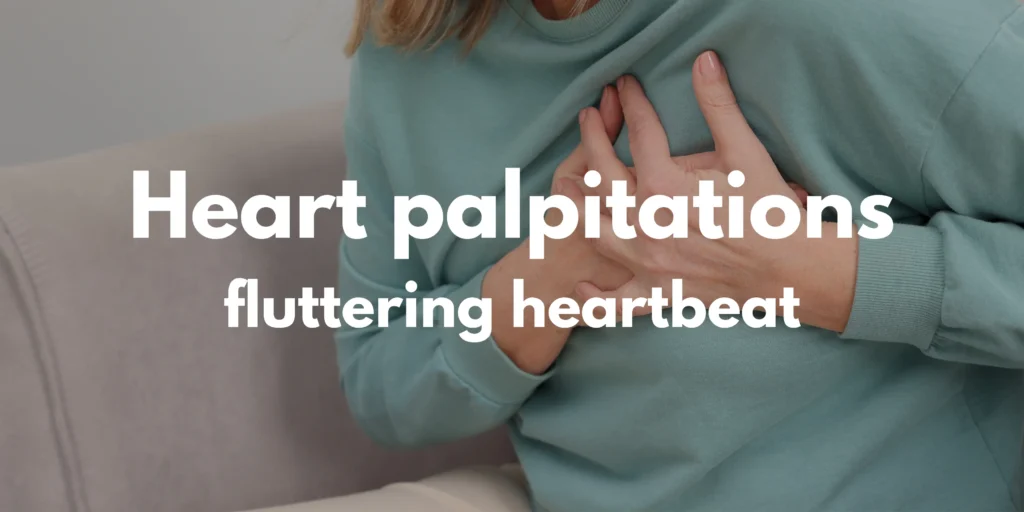
Have you ever felt your heart suddenly flutter, race, or seem to skip a beat — even when you are sitting still? That sensation is known as a heart palpitation. It is more common than many people realise and can affect anyone, regardless of age or gender.In most cases, heart palpitations are harmless and short-lived. However, they can occasionally signal an underlying cardiac condition that warrants proper clinical evaluation. Understanding what triggers palpitations — and recognising when to consult a cardiologist — is an important first step in protecting your heart health.
Key Takeaways
- Heart palpitations can occur at any age and in both men and women.
- Common triggers include stress, anxiety, caffeine, dehydration, and hormonal changes.
- Most palpitations are benign, but some may indicate a heart rhythm disorder (arrhythmia) requiring assessment.
- Seek prompt medical attention if palpitations are accompanied by chest pain, shortness of breath, dizziness, or fainting — particularly if you have a history of heart disease.
What Are Heart Palpitations?
Heart palpitations refer to the awareness of your own heartbeat — typically when it feels unusually fast, irregular, or forceful. You may notice this sensation in your chest, throat, or neck. Episodes can last a few seconds or persist for several minutes.
Palpitations are not a diagnosis in themselves; they are a symptom. In many people, they are triggered by lifestyle factors or temporary conditions. In others, they may be a sign of an underlying cardiac or non-cardiac medical condition.
Heart Palpitations Symptoms: What to Look Out For
The way palpitations feel can vary from person to person. Common descriptions include:
- Rapid or racing heartbeat: A sudden increase in heart rate, often felt even during rest or light activity.
- Irregular or skipped heartbeat: The heart rhythm feels uneven, or there appears to be a pause between beats.
- Fluttering sensation: A quivering or vibrating feeling in the chest.
- Pounding heartbeat: An unusually strong awareness of each heartbeat, felt in the chest, throat, or neck.
- Shortness of breath: Difficulty breathing that coincides with the irregular heartbeat.
- Dizziness or light headedness: A sensation of faintness or feeling the room is spinning during an episode.
It is worth noting that palpitations do not always occur in isolation. When they are accompanied by chest pain, fainting, or significant shortness of breath, this may indicate a more serious condition requiring urgent evaluation.
Heart Palpitations Causes: What Triggers Them?
Palpitations can arise from a wide range of causes, spanning lifestyle factors, physiological changes, and underlying medical conditions.
- Lifestyle and Emotional Triggers
- Emotional stress and anxiety: Heightened emotional states — including anxiety, panic attacks, fear, or excitement — activate the body’s stress response, which can temporarily increase heart rate and trigger palpitations.
- Stimulants: Caffeine, nicotine, and certain medications (including some cold and cough preparations containing pseudoephedrine, as well as amphetamines and some weight-loss drugs) can stimulate the heart and provoke palpitations.
- Poor sleep and fatigue: A lack of quality sleep can affect the body’s regulatory systems, including heart rhythm.
- Alcohol: Excessive alcohol consumption is a known trigger for certain heart rhythm disturbances.
- Physiological and Medical Causes
- Dehydration and low blood volume: Insufficient fluid intake or blood loss can reduce circulating volume, prompting the heart to beat faster to maintain adequate output.
- Anaemia: A reduced number of red blood cells means less oxygen is carried to the body’s tissues; the heart compensates by increasing its rate.
- Electrolyte imbalances: Low levels of potassium or magnesium, for example, can disrupt the electrical signals that regulate heart rhythm.
- Hyperthyroidism: An overactive thyroid gland produces excess thyroid hormone, which can accelerate heart rate and cause palpitations.
- Hypoglycaemia (low blood sugar): A significant drop in blood glucose can trigger a stress response, releasing adrenaline and causing the heart to race.
- Fever and infection: A raised body temperature increases metabolic demands, which can cause the heart to beat faster.
- Hormonal changes: Fluctuations in oestrogen and progesterone during pregnancy, the menstrual cycle, or the peri-menopausal period can influence heart rate and contribute to palpitations.
- Cardiac arrhythmias: In some cases, palpitations are caused by an underlying heart rhythm disorder — such as atrial fibrillation or supraventricular tachycardia — which requires proper cardiological assessment and management.
Heart Palpitations After Eating
Some people notice palpitations specifically after meals. This can occur for several reasons, including:
- Consuming large meals, which increase digestive blood flow and can affect heart rate.
- High-caffeine or high-sugar foods and beverages.
- Alcohol intake with or after meals.
- Food sensitivities or intolerances in certain individuals.
- Eating rapidly or overeating, which may stimulate the vagus nerve and transiently affect heart rhythm.
If you regularly experience heart palpitations after eating, it is advisable to discuss this pattern with your doctor.
When to See a Doctor for Heart Palpitations
Occasional palpitations triggered by identifiable factors — such as caffeine, a stressful day, or a missed night of sleep — are common and, in isolation, are generally not a cause for concern. However, there are circumstances in which a clinical evaluation is important.
You should consult a cardiologist if:
- Palpitations are frequent, prolonged, or worsening over time.
- You experience associated symptoms such as chest pain, tightness, severe shortness of breath, dizziness, or fainting.
- You have a personal or family history of heart disease, heart rhythm disorders, or sudden cardiac events.
- Palpitations occur during physical exertion.
- You are pregnant and experiencing persistent or new palpitations.
- You are concerned, or something feels different from a previous episode.
It is always better to have palpitations evaluated and found to be benign than to leave a potentially significant arrhythmia undetected.
Diagnosis and Treatment
How Are Heart Palpitations Diagnosed?
A cardiologist will begin with a thorough review of your medical history, a physical examination, and an assessment of your symptoms. Depending on the findings, one or more of the following investigations may be recommended:
- Electrocardiogram (ECG): A non-invasive recording of the heart’s electrical activity, which can detect arrhythmias and other rhythm abnormalities.
- Holter monitor: A portable ECG device worn over 24 to 48 hours (or longer) that continuously records heart rhythm during daily activities — useful for capturing intermittent palpitations.
- Blood tests: To check for conditions such as anaemia, thyroid dysfunction, electrolyte imbalances, or blood sugar abnormalities that may be contributing to symptoms.
- Echocardiogram: An ultrasound of the heart to assess its structure and function, if clinically indicated.
How Are Heart Palpitations Treated?
Treatment is always guided by the underlying cause identified through clinical assessment. It is important not to self-diagnose or self-medicate based on symptoms alone.
- Lifestyle modifications: Where palpitations are linked to identifiable triggers, your doctor may advise reducing caffeine and alcohol intake, improving sleep, managing stress, and staying well-hydrated.
- Management of an underlying condition: If palpitations are related to hyperthyroidism, anaemia, or another medical condition, treating that condition is central to resolving the symptom.
- Cardiac medications: Where a heart rhythm disorder is identified, your cardiologist may prescribe appropriate medication to regulate the heart’s rhythm.
- Further cardiac procedures: In specific cases of arrhythmia, additional interventions may be considered, as determined by your cardiologist based on a comprehensive clinical evaluation.
Concerned About Heart Palpitations?
If you are experiencing persistent or concerning palpitations, we encourage you to consult a cardiologist for a proper clinical evaluation. AHVC’s cardiology team comprises experienced specialists who can assess your symptoms, investigate any underlying causes, and advise on appropriate next steps. Do not ignore what your heart is telling you.
FAQ
What does a heart palpitation feel like?
Heart palpitations are typically described as a racing, fluttering, pounding, or skipping heartbeat. Some people feel them in the chest; others notice them in the throat or neck. The sensation can last seconds or minutes. Most episodes are not painful, though they can be unsettling.
What causes heart palpitations after eating?
Heart palpitations after eating may occur following a large meal, or after consuming foods and drinks high in caffeine, sugar, or alcohol. Eating quickly or overeating can stimulate the vagus nerve, which may transiently affect heart rhythm. Food sensitivities can also be a factor in some individuals. If post-meal palpitations are recurring, speak to your doctor.
What triggers heart palpitations?
Palpitations can be triggered by emotional stress, anxiety, caffeine and alcohol, nicotine, sleep deprivation, hormonal changes (such as during pregnancy or the menstrual cycle), certain medications, dehydration, and underlying medical conditions including thyroid disorders, anaemia, and electrolyte imbalances. In some cases, an underlying heart rhythm disorder is responsible.
How do you manage heart palpitations?
If you can identify a specific trigger — such as too much caffeine, poor sleep, or heightened stress — reducing or avoiding that trigger may help. However, you should always consult a doctor if palpitations are frequent, persistent, or associated with other symptoms such as chest pain, dizziness, or shortness of breath. Self-treatment is not advisable without a proper diagnosis.
Are heart palpitations dangerous?
Most palpitations are benign and resolve on their own. However, palpitations caused by an underlying arrhythmia or structural heart condition can be clinically significant. The only way to determine whether palpitations are harmless or warrant treatment is through a proper medical evaluation.